IF是英语单词,名词、连词,作名词时意思是“条件,设想;不确定的情况”,作连词时意思是“(表条件)如果;(表假设)要是,假如;无论何时;虽然,即使;(用于间接疑问)是否;(用于礼貌问询)是否;当,每次;(与情态动词连用)表婉转客气;这不是……,要是……多好;或许不;就算;尽管”。
本页面主要目录有关于IF的:单词资料、扩展知识、单词用法、短语搭配等介绍

IF是英语单词,名词、连词,作名词时意思是“条件,设想;不确定的情况”,作连词时意思是“(表条件)如果;(表假设)要是,假如;无论何时;虽然,即使;(用于间接疑问)是否;(用于礼貌问询)是否;当,每次;(与情态动词连用)表婉转客气;这不是……,要是……多好;或许不;就算;尽管”。
本页面主要目录有关于IF的:单词资料、扩展知识、单词用法、短语搭配等介绍
IF
如果;即使;是否;假如
英语词汇
英式发音ɪf,美式发音ɪf
名词、连词
1. (表示条件)如果
He will come if you invite him.
如果你请他,他会来的。
2. (表示虚拟)假如,要是
If I were you, I would never do that.
如果我是你,我决不做那件事。
3. (表示让步)即使
We'll go even if it rains.
即使下雨我们也要去。
4. 是否
I wonder if she is ill.
不知她是否病了。
5. (表示因果关系)每一次...的时候(总是会)
If I feel any doubt, I inquire.
我一感到有疑问就随时询问。
• n. 条件;设想
There are too many ifs in his offer.
他的提议中条件太多了。
IF=i.f.
if.
缩写词 abbr.
1. =information feedback 信息回馈
2. =interferon
3. =intermediate frequency 中频
1. if和whether在宾语从句中,都表“是否”,可换用,if更口语化,whether正式些。
当有or not时,一般用whether,而不用if。
He wants to know if/whether you can help him.
She wonders whether you'll go or not.
2. if可引起条件状语从句,whether不用于状语从句。
If you work hard, you'll succeed.
If I were you , I would do it in another way.
3. whether可引起主语从句,表语从句,if不能用于这两种情况。
Whether you can finish it in time or not depends on yourself.
The question is whether they'll help you.
4. if在名词性从句中只能引导动词后的宾语,whether可通用。
依据《柯林斯英汉双解大词典》,意为:
1.CONJ You use if in conditional sentences to introduce the circumstances in which an event or situation might happen, might be happening, or might have happened. (引导条件从句) 如果
2. CONJ You use if in indirect questions where the answer is either "yes" or "no." (用于间接是非问句中) 是否
3. CONJ You use if to suggest that something might be slightly different from what you are stating in the main part of the sentence, for example, that there might be slightly more or less of a particular quality. (表示与主句所述事实可能有少许不同) 即使
4. CONJ You use if, usually with "can," "could," "may," or "might," in a conversation when you are politely trying to make a point, change the subject, or interrupt another speaker. 常与(can)、(could)、(may)、(might)等情态动词连用,表示婉转客气
5. CONJ You use if at or near the beginning of a clause when politely asking someone to do something. (用于从句句首或靠近句首的位置,表示礼貌的请求) 是否 [礼貌]
6. PHRASE You use if not in front of a word or phrase to indicate that your statement does not apply to that word or phrase, but to something closely related to it that you also mention. 即便不
7. CONJ You use if to introduce a subordinate clause in which you admit a fact that you regard as less important than the statement in the main clause. (引导从句,提出次要的事实) 即使
8. PHRASE You use if ever with past tenses when you are introducing a description of a person or thing, to emphasize how appropriate it is. (与过去式连用,强调对人或事物的描述极为恰当) 如果有…的话 [强调]
9. PHRASE You use if only with past tenses to introduce what you think is a fairly good reason for doing something, although you realize it may not be a very good one. 即使仅仅 (与过去式连用,引出能勉强说明做某事的原因)
10. PHRASE You use if only to express a wish or desire, especially one that cannot be fulfilled. (尤指不能实现的愿望) 要是…多好 [情感]
11. PHRASE You use as if when you are making a judgment about something that you see or notice. Your belief or impression might be correct, or it might be wrong. (表示判断) 好像
12. PHRASE You use as if to describe something or someone by comparing them with another thing or person. (表示类比) 仿佛
13. PHRASE You use as if to emphasize that something is not true. (强调某事不是真的) 好像…一样 [口语]
if any若有的话 ; 即便要 ; 如果有 ; 如果有的话
if at间接荧光抗体试验 ; 德国慕尼黑国际环博会 ; 间接免疫荧光法 ; 间接免疫荧光试验
Hammarby IF哈马比 ; 哈马比足球俱乐部 ; 哈马尔比

新亚洲娱乐(英文名:ASIA ENTERTAINMENT GROUP LIMITED,全称:新亚洲娱乐联盟集团有限公司)是一家以从事戏剧制作人及杂项戏剧服务为主的企业,成立于1999年,位于香港特别行政区。旗下分公司包括虎威艺能创作有限公司(TGS HK)、稻草人娱乐创作社(Scarecrow Entertainment)、虎威王朝音乐创作股份有限公司(TGS Music)、虎威活力娱乐传播有限公司(TGS Taiwan)、AK Entertainment(Korea)以及AEG Korea等。
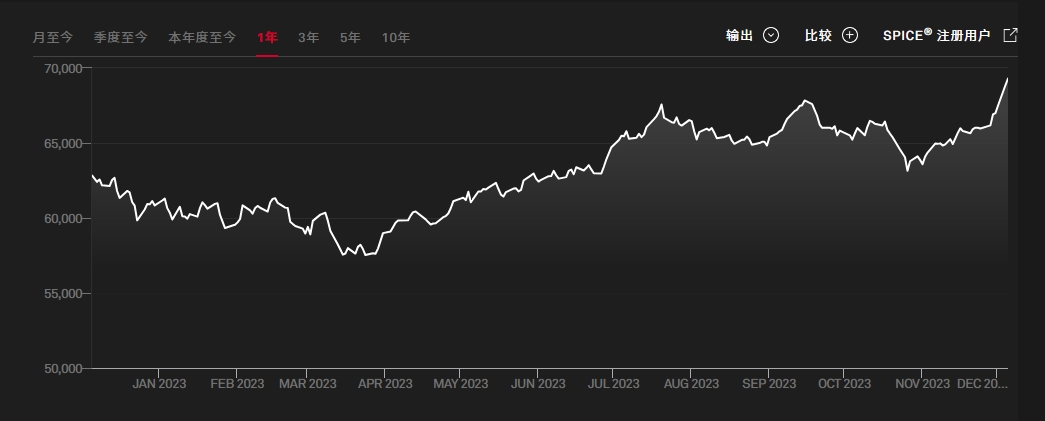
印度孟买SENSEX30指数(又称孟买敏感指数)为印度最被广泛使用的指数,为投资印度的重要参考指标,是由孟买证券交易所发行。由于各类媒体提到的“印度股市”,实际上都是孟买股票交易所,因此,该交易所的SENSEX-30指数几乎成了印度股市的代名词。