托马斯·卡鲁一位英国查理一世时期保王党和“骑士派”诗人,以歌曲和抒情诗传世,如《他爱粉红面颊》(He that loves a rosy cheek)和《不要再问我朱庇特赐福何处》(Ask me no more where Jove bestows)。他还写过一部宫廷假面剧,即《不列颠的天空》(Coelum Britannicum)(1634年)他的一生,不引人关注,却为后世留下史诗般的篇章
本页面主要目录有关于卡鲁的:人物生平、主要作品等介绍

托马斯·卡鲁一位英国查理一世时期保王党和“骑士派”诗人,以歌曲和抒情诗传世,如《他爱粉红面颊》(He that loves a rosy cheek)和《不要再问我朱庇特赐福何处》(Ask me no more where Jove bestows)。他还写过一部宫廷假面剧,即《不列颠的天空》(Coelum Britannicum)(1634年)他的一生,不引人关注,却为后世留下史诗般的篇章
本页面主要目录有关于卡鲁的:人物生平、主要作品等介绍
卡鲁
托马斯·加鲁
Thomas Carew
1594或1595
肯特郡
英国
男
牛津大学莫顿学院
《他爱粉红面颊》《不要再问我朱庇特赐福何处》
托马斯·卡鲁可能出生于1594年或1595年的肯特郡的威克姆西部。他的父亲马太·卡鲁是一名律师,他们全家人大概在1598年搬往伦敦居住。在他进入牛津大学莫顿学院之前,他的受教育情况没人知道。
1612年,他被中殿律师学院录取。
1613年至1616年卡鲁作为秘书在英国驻意大利和荷兰使馆为达德利·卡尔顿工作。卡鲁因侮辱卡尔顿和他的妻子而遭到解雇,回到英国后也无法找到工作。
他的父亲在1619年前去世,而在这一年卡鲁进入英国驻法国的使馆为爱德华·哈伯特工作。可能就是在这种情形下遇到了意大利诗人GiambattistaMarino。
1622年,卡鲁的第一个诗作发表了,韵律诗被放置在托马斯青春喜剧《TheHeir》的扉页。
在17世纪20年代早期,卡鲁结识了本·强森,并融入了他的社交圈子。
1630年,卡鲁成为查理一世私人聚会上的常客。他被国王称作索尔,据说“很受国王的欣赏,国王认为他的才能是无可比拟的”
卡鲁曾经因为羞辱过他人而获得了不好的名声。不过,这并没有对他的职业生涯造成什么破坏,他依旧还是那个优秀的诗人,军人和大臣。他的社会诗被看做是对他们智慧的赞扬,就像是在表达“崇拜神圣霸权”而“鄙视退缩。事实上,卡鲁以生命作诗,虽然,他的作品并不是很多,但是却有不少经典。
在生命快要接近结束时,他进行了忏悔,想召来杰出的牧师来为他的死来做祷告。然而,由于他行为不检点而遭到拒绝。1640年3月23这一天,托马斯·卡鲁死了,他被埋葬在威斯敏斯特的圣斯坦的西部。他其余诗作于同年发表,随后在1642年发表的第二版经过了修改与扩充。
The Spring.[Now that the winter's gone]
To A. L. Persuasions to Love.[Think not, 'cause men flattering say]
Lips and Eyes.[In Celia's face a question did arise]
A Divine Mistress.[In Nature's pieces still I see]
Song. A Beautiful Mistress.[If when the sun at noon displays]
A Cruel Mistress.[We read of kings and gods]
Song. Murdering Beauty.[I'll gaze no more on her bewitching face]
My Mistress Commanding Me to Return Her Letters.[So grieves th' adventurous merchant]
Secrecy Protested.[Fear not, dear love]
A Prayer to the Wind.[Go, thou gentle whispering wing]
Song. Mediocrity in love rejected.[Give me more love or more disdain]
Song. Good Counsel to a Young Maid.[Gaze not on thy beauty's pride]
To my Mistress sitting by a River's side. An Eddy.[Mark, how yond eddy]
Song. Conquest by Flight.[Ladies, fly from love's smooth tale]
Song. To my Inconstant Mistress.[When thou, poor excommunicate]
Song. Persuasions to Enjoy.[If the quick spirits in your eye]
A Deposition from Love.[I was foretold your rebel sex]
Ingrateful Beauty Threatened.[Know, Celia, since thou art so proud]
Disdain Returned.[He that loves a rosy cheek]
A Looking-Glass.[That flatt'ring glass, whose smooth face wears]
An Elegy on the La: Pen: Sent to my Mistress out of France
To My Mistress in Absence.[Though I must live here]
To Her in Absence. A Ship.[Toss'd in a troubled sea of griefs]
Song. Eternity of Love Protested.[How ill doth he deserve a lover's name]
Celia bleeding, to the Surgeon
To Saxham
Upon a Ribbon
Song. To my Mistress, I burning in Love
Song. The willing Prisoner to his Mistress
Song. Celia Singing.[I]
Song. Celia Singing.[II]
Truce in Love Intreated
Boldness in Love
Red and White Roses
A Rapture
Epitaph on the LadyMary Villiers
Another.[The purest soul that e'er was sent]
Another.[This little vault, this narrow room]
Maria Wentworth
To Ben Jonson
An Elegy upon the Death of Dr. Donne, Dean of Paul's
To a Lady, that desired I would Love her
To My Worthy Friend Master George Sandys
The Complement
A Song.[Ask me no more where Jove bestows]
The Carver. To his Mistress
The Protestation : A Sonnet
The Tooth-ache cured by a Kiss
Upon a Mole inCelia'sbosom
A Fancy
贫困的虚荣——选自《不列颠的天空》
可怜的贫困的家伙,你实在过于放肆,
竟然要求在苍穹之下拥有一席之地,
因为你那简陋的茅屋,或木桶,
只会培养一些使人懒惰或迂腐的品性,
在唾手可得的阳光下或阴凉的泉水旁,
处处有根茎和野菜;在那里你的右手,
从心灵上撕去了仁爱的激情,
而灿烂美丽的美德正是从激情的茎干上怒放出来的,
你使人性堕落,感觉麻木,
就像戈尔戈那样将鲜活的人变成了顽石。
我们并不需要你那迫使人节制的
单调乏味的社会,
或那不知欢乐或忧愁的
反常的愚蠢;也不需要你那被迫表现出的
虚伪的消极的坚毅,被拔高到了
积极的坚毅之上。这低劣卑鄙的一伙,
将他们的位置固定在了平庸上,
成为你们卑贱的心灵;但是我们
只倡导这样的美德,容许超常、
勇敢和慷慨的行为,威严高贵,
明察秋毫的审慎,无限的宽宏,
以及那古人未曾留下的名字而只有
典范的英雄美德,如赫拉克勒斯,
阿基里斯,忒休斯。回到你那可憎的小屋里去吧;
当你看到新的文明的天空时,
尽力弄明白那些杰出的人物是谁吧。

新亚洲娱乐(英文名:ASIA ENTERTAINMENT GROUP LIMITED,全称:新亚洲娱乐联盟集团有限公司)是一家以从事戏剧制作人及杂项戏剧服务为主的企业,成立于1999年,位于香港特别行政区。旗下分公司包括虎威艺能创作有限公司(TGS HK)、稻草人娱乐创作社(Scarecrow Entertainment)、虎威王朝音乐创作股份有限公司(TGS Music)、虎威活力娱乐传播有限公司(TGS Taiwan)、AK Entertainment(Korea)以及AEG Korea等。
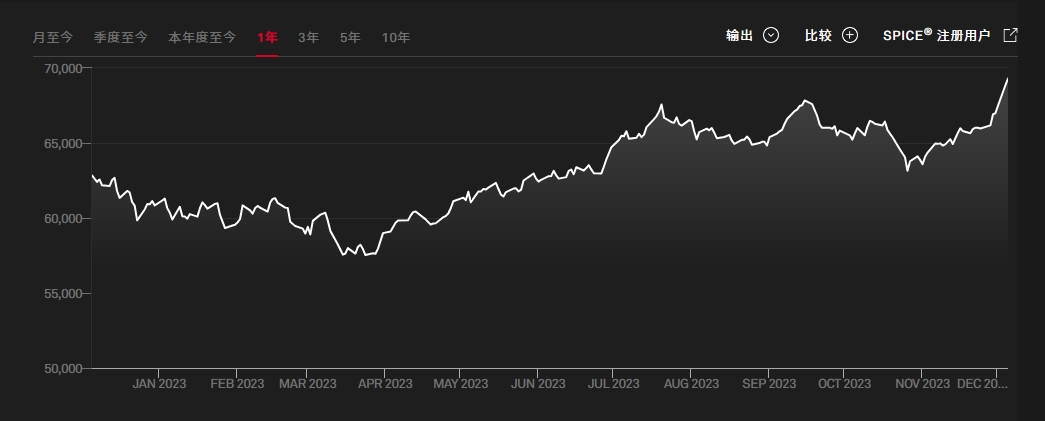
印度孟买SENSEX30指数(又称孟买敏感指数)为印度最被广泛使用的指数,为投资印度的重要参考指标,是由孟买证券交易所发行。由于各类媒体提到的“印度股市”,实际上都是孟买股票交易所,因此,该交易所的SENSEX-30指数几乎成了印度股市的代名词。