《牛津英语》是2008年1月1日由译林出版社出版,上海教育出版社编写。
本页面主要目录有关于牛津英语的:内容简介、创作背景、作品目录、文摘等介绍

《牛津英语》是2008年1月1日由译林出版社出版,上海教育出版社编写。
本页面主要目录有关于牛津英语的:内容简介、创作背景、作品目录、文摘等介绍
上海教育出版社
英语、简体中文
76页
平装
16开
第1版
2008年1月1日
译林出版社
53.00
9787532068241
B005JBIR64
牛津英语
9787532068241
本书能够给那些仍然在前进道路上迷茫,或被惯性思维束缚的年轻人一些启示,让他们了解足够多的人生经验与哲理,能够以更轻松、更快乐的姿态去面对生活,也为迎接人生的辉煌做好准备。
此书结构清晰、语言简洁,适合初、中、高级读者。
一本可以让人有兴趣看下去的书,不一定有很推荐上所说的强大功效,但是可以提供一些思考问题的方法及思路,同时学习到一些简单的心理学及哲学的知识,语言非常的通俗易懂不见枯燥是这本书相对于同类型的书很大的优势。
《牛津英语(教学参考)(6年级)(第2学期)(6B)》是由上海教育出版社出版的。
City life | |
1 Great cities in Asia(P.2) | 7 Travelling in Garden Citu(D.46)I |
2 At the airport(P.8) | The notural world |
3 Dragon Boot Festival(P.14) | 8 Windy weather(P.55) |
4 Staying healthy(P.21) | 9 Sea water and rain water(P.62) |
Changes | 10 Forests and Iand(P.70) |
5 What wilIl be Iike?(P.33) | 14 Controlling fire(P,77) |
6 Seasonal changes(P.40) | Project:Reusing old materials(P.89) |
Word bank(P.93) | |
Photocopiable pages(Php.1-14) | |
Workbook answer keg(WB 1-76) | |
插图:
There is firstly a Pre-task preparation section; this willinclude review of previous lesson, but more importantly itaims to set the scene; to give the students a contentframework to which they bring some knowledge.
The language preparation section demonstrates ways ofintroducing new material using the photos, dolls, puppetsor other suggested resources, before the students areexposed to the Student's Book. Teachers are given clearguidelines on language used passively and for students'production.
The While-task procedure section links the languagepreparation which familiarizes students with the languagenecessary for the learning task, and the learning task itself.The task(s) ensure:
progress towards the learning targets for English;
opportunities for interaction, particularly amongstudents;
natural use of language in a wide variety of activities.
Depending on the maturity of each learner, a degree ofteacher support will be required during a task. Theteacher's intimate knowledge of each learner's ability willenable him/her to offer appropriate guidance. Additionalresources to help students carry out a task are available asphotocopiable pages.
In the Post-task activities section, the vocabulary andstructure(s) learnt already in this lesson are recycled by thestudents in a different context in lively follow-up taskssuch as games, practical tasks, experimenting, reportwriting; all intended to stimulate the use of language in theclassroom.
Instructions for the use and integration of the Workbook,which provide further post-task activities in the lesson, areclear and suggested at the appropriate time. Furtherconsolidation of language is also suggested in theWorkbook.

新亚洲娱乐(英文名:ASIA ENTERTAINMENT GROUP LIMITED,全称:新亚洲娱乐联盟集团有限公司)是一家以从事戏剧制作人及杂项戏剧服务为主的企业,成立于1999年,位于香港特别行政区。旗下分公司包括虎威艺能创作有限公司(TGS HK)、稻草人娱乐创作社(Scarecrow Entertainment)、虎威王朝音乐创作股份有限公司(TGS Music)、虎威活力娱乐传播有限公司(TGS Taiwan)、AK Entertainment(Korea)以及AEG Korea等。
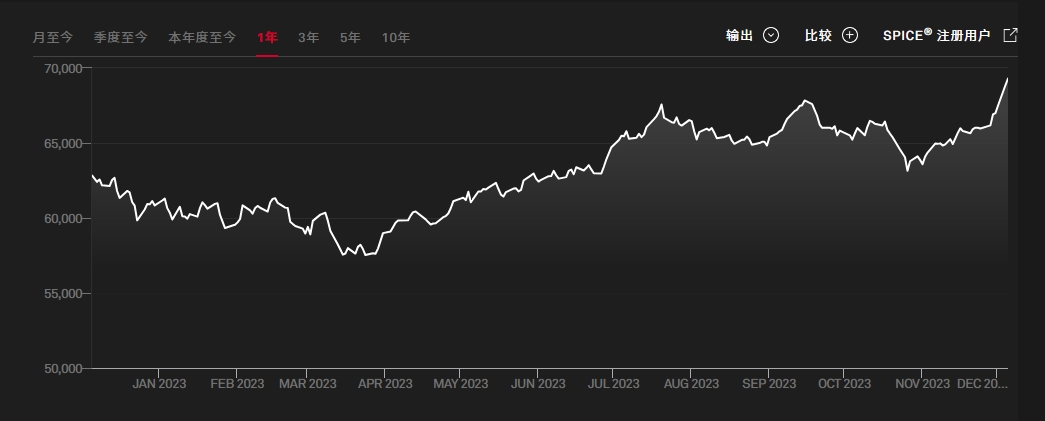
印度孟买SENSEX30指数(又称孟买敏感指数)为印度最被广泛使用的指数,为投资印度的重要参考指标,是由孟买证券交易所发行。由于各类媒体提到的“印度股市”,实际上都是孟买股票交易所,因此,该交易所的SENSEX-30指数几乎成了印度股市的代名词。