《麻醉学(留学生与双语教学用)(英文版)》是2015年清华大学出版社出版的图书,作者是王国林、郭曲练。
本页面主要目录有关于麻醉学的:内容简介、Preface、Contents等介绍

《麻醉学(留学生与双语教学用)(英文版)》是2015年清华大学出版社出版的图书,作者是王国林、郭曲练。
本页面主要目录有关于麻醉学的:内容简介、Preface、Contents等介绍
麻醉学
王国林、郭曲练
涵盖了临床麻醉、重症及疼痛诊疗相关内容
平装
2015年4月2日
清华大学出版社
49.8元
9787302394938
13章
全书共分13章,涵盖了临床麻醉、重症及疼痛诊疗相关内容,包括术前评估、麻醉监测、气道管理、局麻药与区域阻滞、全身麻醉、酸碱平衡、呼吸衰竭、休克、心肺复苏、营养支持和疼痛诊疗等。可供医学留学生、七年制或八年制医学生、医学本科生英语或双语教学使用。
In recent years, anesthesiology as the grade-2 subject and grade-1 clinical department has
been independently learned by many students including foreign students. Now, it is urgent that
an English textbook of anesthesiology is needed for undergraduate program for international
students. This textbook is written according to the depth of Chinese undergraduate textbook
of anesthesiology and the requirement of textbook of 1-and 2-year international anesthesia
residents, which is suitable for undergraduate program for international students.
This book covers the related contents of clinical anesthesia, intensive care and pain, which
is divided into 13 chapters including preoperative assessment, anesthesia monitoring, airway
management, local anesthetics and regional anesthesia, general anesthesia, acid-base balance,
respiratory failure, shock, cardiopulmonary resuscitation, nutrition support, and diagnosis and
treatment of pain, etc. This book is written by 15 anesthesia experts and scholars from teaching
hospital of different areas in China, which is the final version after the first draft, twice cross
review and finalization. This book highlights the combination of fundamental information,
related progress and latest knowledge, which can help students to facilitate the understanding
of discipline development.
We hope that every teacher can give advices in the process of using this book, which can
make it republication more perfect.
Editors
Oct 30, 2014
Chapter 1 Introduction …………………………………………………………………………… 1
1 History of anesthesiology ………………………………………………………………… 2
2 The scope of anesthesiology ……………………………………………………………… 6
3 Classification of anesthesia 9
4 How to learn anesthesiology well ……………………………………………………… 11
Suggested Reading …………………………………………………………………………… 12
Chapter 2 Evaluation before Anesthesia ………………………………………………………… 13
1 History ……………………………………………………………………………………… 13
2 The physical examination ………………………………………………………………… 16
3 Laboratory studies ………………………………………………………………………… 17
4 Anesthesiologist-patient relationship …………………………………………………… 18
5 Premedication……………………………………………………………………………… 20
6 Delaying surgical procedures …………………………………………………………… 21
Suggested Reading …………………………………………………………………………… 22
Chapter 3 Anesthesia Monitoring………………………………………………………………… 23
1 Standard monitoring ……………………………………………………………………… 23
2 Respiratory system monitoring ………………………………………………………… 23
3 Cardiovascular system monitoring ……………………………………………………… 29
4 Depth of anesthesia ……………………………………………………………………… 41
5 Neuromuscular blockade monitoring ………………………………………………… 43
6 Temperature monitoring ………………………………………………………………… 45
Suggested Reading …………………………………………………………………………… 45
Chapter 4 Local Anesthetics and Regional Anesthesia ………………………………………… 46
1 Local anesthetics…………………………………………………………………………… 46
2 Anatomy and physiology ………………………………………………………………… 49
3 Nerve block ………………………………………………………………………………… 54
4 Spinal anesthesia ………………………………………………………………………… 59
5 Epidural anesthesia ……………………………………………………………………… 61
6 Combined spinal and epidural anesthesia ……………………………………………… 64
7 Caudal anesthesia ………………………………………………………………………… 64
8 Complications of neuraxial blocks ……………………………………………………… 65
Suggested Reading …………………………………………………………………………… 66
Chapter 5 Airway Evaluation and Management ……………………………………………… 69
1 Anatomy …………………………………………………………………………………… 69
2 Evaluation of airway ……………………………………………………………………… 69
3 Equipment ………………………………………………………………………………… 71
4 Airway management ……………………………………………………………………… 76
Suggested Reading …………………………………………………………………………… 79
Chapter 6 General Anesthesia …………………………………………………………………… 80
1 Anesthetics for general anesthesia ……………………………………………………… 80
2 Administration of general anesthesia …………………………………………………… 95
3 Complications of general anesthesia 103
Suggested Reading 107
Chapter 7 Acid-Base Balance and Fluid Therapy 108
1 Regulation of fluid and electrolytes 109
2 Fluid therapy 121
Suggested Reading 123
Chapter 8 The Postanesthesia Care Unit……………………………………………………… 124
1 Admission to the PACU 124
2 Monitoring 124
3 Complications…………………………………………………………………………… 124
4 Recovery from regional anesthesia …………………………………………………… 142
5 Criteria for discharge…………………………………………………………………… 142
Suggested Reading 143
Chapter 9 Perioperative Acute Respiratory Failure and Acute
Lung Injury (ALI) / Acute Respiratory Distress Syndrome (ARDS) …………… 144
1 Perioperative respiratory failure ……………………………………………………… 145
2 Acute respiratory distress syndrome 155
Suggested Reading 164
Chapter 10 Shock 165
1 Introduction …………………………………………………………………165
2 Classification of shock …………………………………………………………………166
3 Pathophysiology of shock……………………………………………………………… 168
4 Diagnosis and management of shock ………………………………………………… 173
5 Patient monitoring ……………………………………………………………………… 177
6 Treatment………………………………………………………………………………… 184
7 Specific shock syndromes ……………………………………………………………… 191
Suggested Reading 192
Chapter 11 Cardiopulmonary Resuscitation 195
1 Definition and causes of cardiac arrest 195
2 Cardiopulmonary resuscitation (CPR) 197
3 Post resuscitation care 208
4 Prognostication following cardiopulmonary cerebral resuscitation 211
Suggested Reading 211
Chapter 12 Nutritional Aspects 212
1 Fasting and malnutrition 212
2 Metabolic response to surgical and traumatic injury 212
3 The metabolic response to sepsis……………………………………………………… 214
4 Modulation of the stress response (during anesthesia) 215
5 Nutritional support …………………………………………………………………… 218
6 Special consideration…………………………………………………………………… 220
Suggested Reading 223
Chapter 13 Pain Management ………………………………………………………………… 224
1 Definition of pain 224
2 Neural basis of pain 224
3 Classification of pain …………………………………………………………………… 229
4 Pain assessment ………………………………………………………………………… 231
5 Pain therapy 235
Suggested Reading 239
Appendix 241
Appendix Ⅰ : Inhaled anaesthetic agents—physical properties ……………………… 241
Appendix Ⅱ a: Cardiovascular system—normal values …………………………………………241
Appendix Ⅱ b: Vasoactive infusions…………………………… 243
Appendix Ⅲ : Chemical pathology—biochemical values 244
Appendix Ⅳ a: Haematology normal values …………………………………………… 245
Appendix Ⅳ b: Coagulation tests………………………………………………………… 246
Appendix Ⅳ c: Coagulation screen ……………………………………………………… 247
Appendix Ⅴ a: Fluid balance…………………………… 248
Appendix Ⅴ b: Intraoperative fluid requirements—adult ……………………………248
Appendix Ⅴ c: Fluid, electrolyte and nutritional requirements ……………………… 249
Appendix Ⅴ d: Composition of common intravenous fluids ………………………… 249
Appendix Ⅵ : Renal function tests……………………………………………… 250
Appendix Ⅶ a: Pulmonary function tests ……………………………………251
Appendix Ⅶ b: Lung function : adult and neonatal values …………………………… 252
Appendix Ⅷ : Paediatrics …………………………252
Appendix Ⅸ : Gas flows in ananesthetic breathing systems 253

新亚洲娱乐(英文名:ASIA ENTERTAINMENT GROUP LIMITED,全称:新亚洲娱乐联盟集团有限公司)是一家以从事戏剧制作人及杂项戏剧服务为主的企业,成立于1999年,位于香港特别行政区。旗下分公司包括虎威艺能创作有限公司(TGS HK)、稻草人娱乐创作社(Scarecrow Entertainment)、虎威王朝音乐创作股份有限公司(TGS Music)、虎威活力娱乐传播有限公司(TGS Taiwan)、AK Entertainment(Korea)以及AEG Korea等。
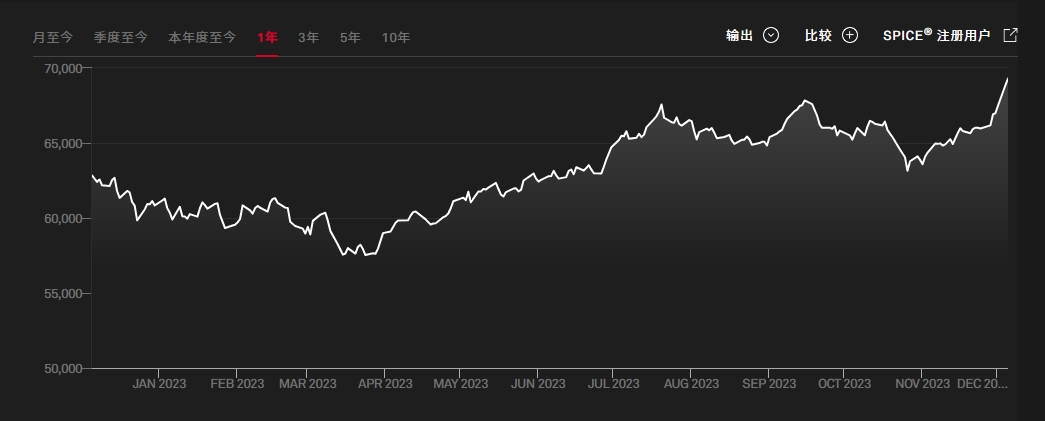
印度孟买SENSEX30指数(又称孟买敏感指数)为印度最被广泛使用的指数,为投资印度的重要参考指标,是由孟买证券交易所发行。由于各类媒体提到的“印度股市”,实际上都是孟买股票交易所,因此,该交易所的SENSEX-30指数几乎成了印度股市的代名词。