《早安》是一首诗歌,作者约翰·多恩John Donne(1572 - 1631),英国诗人、教士。1572年生于伦敦的一个富商之家,信仰罗马天主教
本页面主要目录有关于早安的:简介、诗文等介绍

《早安》是一首诗歌,作者约翰·多恩John Donne(1572 - 1631),英国诗人、教士。1572年生于伦敦的一个富商之家,信仰罗马天主教
本页面主要目录有关于早安的:简介、诗文等介绍
早安
约翰·多恩
诗歌
英语
16 开
。多恩与乔治·赫伯特和安德鲁·马韦尔同属最伟大的玄学派诗人。他的创作他不仅影响了他同时代的诗人,还影响到艾略特、约翰·克娄·兰塞姆(John Crowe Ransom,)、爱伦·泰特(Allen Tate)等二十世纪时的诗人。与其他玄学派诗人一样,多恩的诗作也运用比附比喻(conceits)(精巧、惊人的比喻),也从日常生活和广博的学识中寻找意象。在玄学派诗人中,他能将强烈的情感和学识上的独创和练达加以完美结合。作品包括爱情诗、讽刺诗、格言诗、宗教诗以及布道文等。诗歌节奏有力,语言生动,想象奇特而大胆,常使用莎士比亚式的机智的隐喻,这些特点在他的诗集《歌与短歌》中体现得十分明显。他于1631 年3月31日卒于伦敦。
THE GOOD-MORROW.
by John Donne
I WONDER by my troth, what thou and I
Did, till we loved ? were we not wean'd till then ?
But suck'd on country pleasures, childishly ?
Or snorted we in the Seven Sleepers' den ?
'Twas so ; but this, all pleasures fancies be ;
If ever any beauty I did see,
Which I desired, and got, 'twas but a dream of thee.
And now good-morrow to our waking souls,
Which watch not one another out of fear ;
For love all love of other sights controls,
And makes one little room an everywhere.
Let sea-discoverers to new worlds have gone ;
Let maps to other, worlds on worlds have shown ;
Let us possess one world ; each hath one, and is one.
My face in thine eye, thine in mine appears,
And true plain hearts do in the faces rest ;
Where can we find two better hemispheres
Without sharp north, without declining west ?
Whatever dies, was not mix'd equally ;
If our two loves be one, or thou and I
love so alike that none can slacken, none can die.
我真不明白;你我相爱之前
在干什么?莫非我们还没断奶,
只知吮吸田园之乐像孩子一般?
或是在七个睡眠者的洞中打鼾?
确实如此,但一切欢乐都是虚拟,
如果我见过.追求并获得过美,
那全都是——且仅仅是——梦见的你。
现在向我们苏醒的灵魂道声早安,
两个灵魂互相信赖,毋须警戒;
因为爱控制了对其他景色的爱,
把小小的房间点化成大千世界。
让航海发现家向新世界远游,
让无数世界的舆图把别人引诱
我们却自成世界,又互相拥有。
我映在你眼里,你映在我眼里,
两张脸上现出真诚坦荡的心地。
哪儿能找到两个更好的半球啊?
没有严酷的北,没有下沉的西?
凡是死亡,都属调和失当所致,
如果我俩的爱合二为一,或是
爱得如此一致.那就谁也不会死。
(飞白译)

新亚洲娱乐(英文名:ASIA ENTERTAINMENT GROUP LIMITED,全称:新亚洲娱乐联盟集团有限公司)是一家以从事戏剧制作人及杂项戏剧服务为主的企业,成立于1999年,位于香港特别行政区。旗下分公司包括虎威艺能创作有限公司(TGS HK)、稻草人娱乐创作社(Scarecrow Entertainment)、虎威王朝音乐创作股份有限公司(TGS Music)、虎威活力娱乐传播有限公司(TGS Taiwan)、AK Entertainment(Korea)以及AEG Korea等。
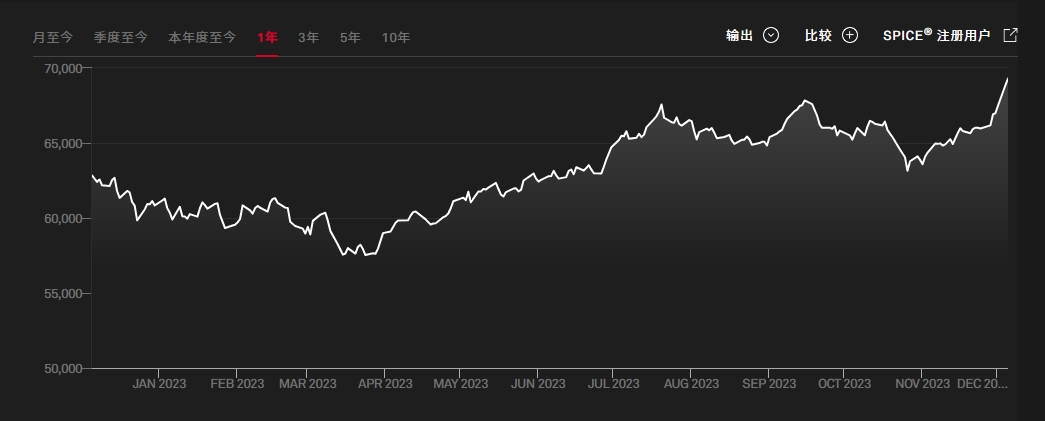
印度孟买SENSEX30指数(又称孟买敏感指数)为印度最被广泛使用的指数,为投资印度的重要参考指标,是由孟买证券交易所发行。由于各类媒体提到的“印度股市”,实际上都是孟买股票交易所,因此,该交易所的SENSEX-30指数几乎成了印度股市的代名词。