李伟,博士,研究员,中国科学院动物研究所干细胞与细胞周期调控研究组组长。2006年毕业于武汉大学获学士学位,2012年毕业于中国科学院动物研究所获博士学位。主要从事干细胞和基因组稳定性研究,在干细胞的建立和应用,以及动物基因工程方面取得多项进展,相关成果以第一或通讯作者发表在Nature,Cell, Nature Biotechnology等刊物,共发表SCI论文40余篇。
本页面主要目录有关于李伟的:个人简介、研究领域、社会任职、承担科研项目情况、代表论著等介绍
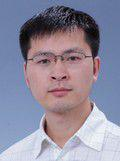
李伟,博士,研究员,中国科学院动物研究所干细胞与细胞周期调控研究组组长。2006年毕业于武汉大学获学士学位,2012年毕业于中国科学院动物研究所获博士学位。主要从事干细胞和基因组稳定性研究,在干细胞的建立和应用,以及动物基因工程方面取得多项进展,相关成果以第一或通讯作者发表在Nature,Cell, Nature Biotechnology等刊物,共发表SCI论文40余篇。
本页面主要目录有关于李伟的:个人简介、研究领域、社会任职、承担科研项目情况、代表论著等介绍
李伟
LiWei
中华人民共和国
男
武汉大学
博士
科学家
“日本实验动物学会国际奖”、“中国干细胞学会青年研究员奖”,“盖茨基金会–青年科学家”
入选“万人计划青年拔尖人才计划”、中国科学院首批“卓越青年科学家”;曾获“日本实验动物学会国际奖”、“中国干细胞学会青年研究员奖”、“中国科学院杰出科技成就(集体奖)”、“盖茨基金会–青年科学家”等奖励;获国家重大科学研究计划、基金委优秀青年基金等项目支持。
干细胞基因组稳定性和倍性调控的机制与方法,以及基因组修饰技术的开发与应用。
2014.1- 中国动物学会生殖生物学分会理事
2014.1- 中国科学院青年创新促进会 会员
2013.1- 中国遗传学会青年委员会 委员
2013.1- 国际干细胞研究协会(ISSCR)会员
国家重大基础研究计划项目,中国科学院科研装备研制项目,国家自然科学基金委员会优秀青年基金项目、面上项目,中国科学院科研装备研制项目。
(# 同等贡献作者; * 通讯作者)
Li X#, Cui XL#, Wang JQ #, Wang YK, Li YF, Wang LY, Wan HF, Li TD, Feng GH, Shuai L, Li ZK, Gu Q, Hao J, Wang L, Zhao XY, Liu ZH, Wang XJ, Li W*, Zhou Q*. Generation and Application of Mouse-Rat Allodiploid Embryonic Stem Cells. Cell 164(1–2) (2016): 279–292.
Li ZK#, Wan HF#, Feng GH#, Wang LY#, He ZQ, Wang YK, Wang XJ, Li W*, Zhou Q*, Hu BY*. Birth of fertile bimaternal offspring following intracytoplasmic injection of parthenogenetic haploid embryonic stem cells. Cell Research 26 (2016):135–138.
Li W#, Li X#, Li TD#, Jiang MG#, Wan HF, Luo GZ, Feng CJ, Cui XL, Teng F, Yuan Y, Zhou Q, Gu Q, Shuai L, Sha JH, Xiao YM, Wang L, Liu ZH, Wang XJ, Zhao XY, Zhou Q*. Genetic modification and screening in the rat using haploid embryonic stem cells. Cell Stem Cell 14(3) (2014):404-414.
Li W, Teng F, Li TD, Zhou Q*. Simultaneous generation and germline transmission of multiple gene mutations in rat using CRISPR-Cas systems. Nature Biotechnology 31(2013): 684–686.
Li W#, Guo XJ#, Teng F, Hou XJ, Lv Z, Zhou SY, Bi Y, Wan HF, Feng CJ, Yuan Y, Zhao XY, Wang L, Sha JH*, Zhou Q*. Tex101 is essential for male fertility by affecting sperm migration into the oviduct in mice. Journal of Molecular Cell Biology 5 (5) (2013): 345-347.
Li W#, Shuai L#, Wan HF#, Dong MZ#, Wang M, Sang LS, Feng CJ, Luo GZ, Li TD, Li X, Wang LB, Zheng QY, Sheng C, Wu HJ, Liu ZH, Liu L, Wang L, Wang XJ, Zhao XY*, Zhou Q*. Androgenetic haploid embryonic stem cells produce live transgenic mice. Nature 490(7420) (2012):407-411.
Li W#, Zhao XY#, Wan HF, Zhang Y, Liu L, Lv Z, Wang XJ, Wang L*, Zhou Q*. iPS cells generated without c-Myc have active Dlk1-Dio3 region and are capable of producing full-term mice through tetraploid complementation. Cell Research 21(3) (2011):550-553.
Zhao XY#, Li W#, Lv Z#, Liu L, Tong M, Hai T, Hao J, Guo CL, Ma QW, Wang L, Zeng FY*, Zhou Q*. iPS cells produce viable mice through tetraploid complementation. Nature 461(7260)(2009):86-90.

新亚洲娱乐(英文名:ASIA ENTERTAINMENT GROUP LIMITED,全称:新亚洲娱乐联盟集团有限公司)是一家以从事戏剧制作人及杂项戏剧服务为主的企业,成立于1999年,位于香港特别行政区。旗下分公司包括虎威艺能创作有限公司(TGS HK)、稻草人娱乐创作社(Scarecrow Entertainment)、虎威王朝音乐创作股份有限公司(TGS Music)、虎威活力娱乐传播有限公司(TGS Taiwan)、AK Entertainment(Korea)以及AEG Korea等。
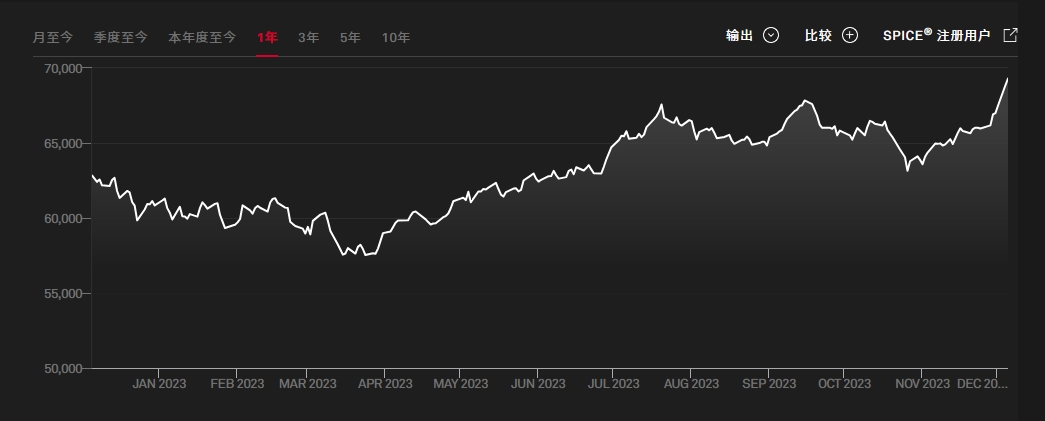
印度孟买SENSEX30指数(又称孟买敏感指数)为印度最被广泛使用的指数,为投资印度的重要参考指标,是由孟买证券交易所发行。由于各类媒体提到的“印度股市”,实际上都是孟买股票交易所,因此,该交易所的SENSEX-30指数几乎成了印度股市的代名词。